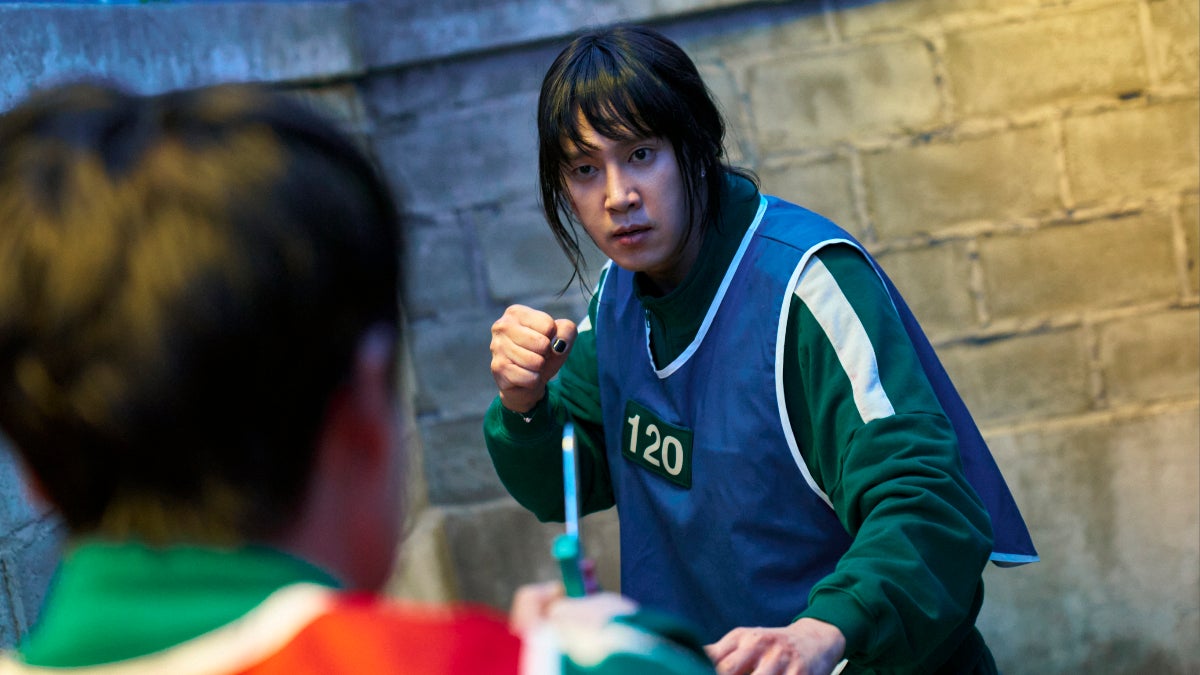
Transgender representation on television has plummeted by nearly 80 percent, and none of the trans characters counted during the 2025–2026 season are slated to return next year, according to GLAAD’s latest "Where We Are on TV" report. Out of 369 total LGBTQ+ characters tracked across television, only seven were transgender.
The steep decline reflects a combination of series cancellations, natural conclusions, and a reliance on limited-run programming. Three of the seven characters appeared on shows that have either ended or been canceled: The Family Law, Community Squad, and Squid Game. The remaining four appeared on Netflix limited series—The Dead Girls, Monster: The Ed Gein Story, Unspeakable Sins, and Wayward—meaning none of the seven roles will carry over into the upcoming broadcast and streaming slate.
For many viewers tracking the state of queer media, the sheer scarcity—and the nature of the few remaining roles—felt stark. "Monster: The Ed Gein Story being one of the seven roles, grim," one viewer noted, looking ahead to a barren television landscape.
A Broader Retreat in Queer Representation
The near-erasure of transgender characters comes amid a wider contraction in LGBTQ+ visibility on the small screen. GLAAD counted 369 LGBTQ+ characters overall for the 2025–2026 season, marking a 25 percent decrease from the 489 characters tallied the previous year. Furthermore, only 44 percent of the queer characters counted were people of color, an eight-year low that falls short of GLAAD’s longstanding benchmark of at least 50 percent and drops from 51 percent the prior season.
Advocates argue that this pullback runs counter to clear commercial signals. GLAAD highlighted the massive success of queer-led series such as The Hunting Wives on Netflix—which doubled its viewership in its second week to top streaming charts—and Heated Rivalry on Crave and HBO Max, which became HBO Max’s most-watched acquired scripted series ever, peaking at 52 times average demand.
GLAAD President and CEO Sarah Kate Ellis characterized the decision to slash LGBTQ+ storylines while audience appetite is rising as a "bad business decision." Raina Deerwater, GLAAD’s Associate Director of Entertainment Research and Analysis, pointed out that younger audiences, particularly Gen Z, actively drive engagement around diverse programming. According to the organization's data, Gen Z viewers are 61 percent more likely than the average American to discuss television on social media and 55 percent more likely to talk about programming with friends.
"It’s so funny that ‘Heated Rivalry’ came out — huge hit — and everyone’s like, ‘I know what we need: more hockey,’" Deerwater said. "I’m going to go out on a limb and say maybe the hockey wasn’t the big thing why people liked the show." She added that telling more diverse stories should naturally translate into larger audiences, though industry decisions are currently moving in the opposite direction.
Politics and Public Perception
While entertainment executives weigh budgets and greenlights, researchers and viewers alike point to the broader political climate as a major factor chilling transgender inclusion. Deerwater suggested that intense anti-trans rhetoric from conservative politicians likely contributed to the downturn, though she expressed hope following recent midterm election results where several candidates running heavily on anti-trans platforms lost.
"A bunch of these Republican candidates released these super awful anti-trans ads. That was the platform they were running on and they lost, and they lost by a lot," Deerwater said. "The people are speaking … it’s just a matter of making sure that the right people are listening." She urged cisgender, heterosexual decision-makers in Hollywood to use their influence to champion transgender voices and storytellers.
Yet among audiences watching the political landscape closely, skepticism remains about whether electoral shifts will quickly reverse the cultural tide. Several observers pointed out that debates surrounding transgender athletes have disproportionately shaped public perception across party lines, even in states that otherwise favored Democratic candidates.
"On one hand, I wonder how the blue wave will affect trans inclusion in media in the future but on the other hand, I do think the trans people in sports issue has unfortunately soured their perception for a significant amount of the general public, regardless of political party," one commenter observed.
Others echoed the concern that political messaging around sports has had a lasting impact on everyday attitudes and local ballot measures. "It works. When i tell people my wife is trans, they are supportive but they do tend to say something about it being ‘unfair in sports, right’? As if i am somehow the arbiter of that," another person shared. Some also expressed frustration that political leaders across the spectrum have been slow to defend transgender communities, leading to a sense that trans people are steadily being pushed out of public life.
The Casting and Writing Debate
Beyond political headwinds, the disappearance of trans characters has sparked pointed debate over how Hollywood writes and casts marginalized roles. Some viewers argued that studios often struggle to integrate diverse characters naturally, either reducing them to stereotypes or avoiding them altogether out of fear of backlash.
"Just learn how to write a script and cast a non-stereotypical actor later," one viewer suggested, arguing that characters should be allowed to exist in stories without their identity serving as their sole defining trait. Another point of contention centered on casting practices—specifically, whether studios hesitate to cast cisgender actors in trans roles while simultaneously failing to hire lesser-known transgender performers.
"I feel like they’re also afraid to have cis actors play trans characters. Elliot can’t play every single trans person - and he shouldn’t have to," one person remarked, referring to actor Elliot Page. That view drew swift pushback from others who argued that the industry's reluctance has less to do with a shortage of talent and more to do with institutional gatekeeping.
"They are also afraid to have teans people play just regular roles. Not every part a trans actor gets needs to be "look at me im trans" but thats all they seem to get. Let them have othet roles ffs," one reply countered. Another commenter emphasized that plenty of transgender actors exist outside of household names, arguing that studios often avoid casting unknowns: "there ARE tons of trans actors, they're just not big names, and studios aren't going to allow that, so their preferred option is just to not have trans characters at all."
Looking Ahead
With zero returning transgender characters confirmed for the next television season, the burden of representation falls entirely on upcoming, unannounced projects or future seasons of existing shows that have yet to introduce new storylines. For an industry that has repeatedly seen diverse, queer-led programming generate viral word-of-mouth and record streaming numbers, the coming year will test whether executives follow the data—or allow political caution to dictate who gets seen on screen.

